Drama Triangle Roles: Breaking the Toxic Cycle (2024 Guide)
The drama triangle roles represent one of psychology’s most powerful frameworks for understanding toxic relationship patterns. Created by Stephen Karpman in 1968, this model identifies three destructive positions people adopt in conflict: the Victim, Persecutor, and Rescuer. These roles trap millions of Americans in cycles of blame, resentment, and dysfunction across families, workplaces, and romantic relationships.
What Is Karpman’s Drama Triangle?
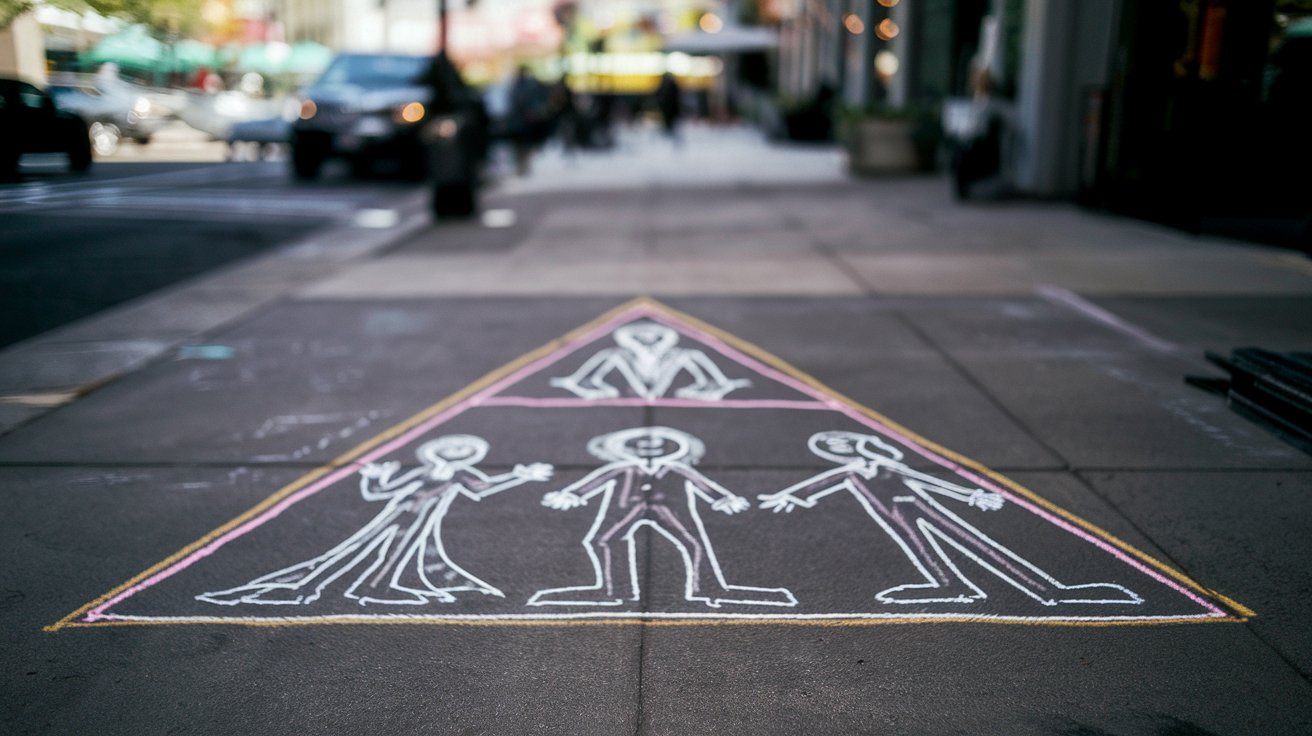
Stephen Karpman’s drama triangle is a psychological model that maps the toxic dynamics occurring in dysfunctional relationships. This framework reveals how people unconsciously shift between three distinct roles during conflicts, creating destructive patterns that perpetuate drama and prevent genuine resolution. The triangle operates as a closed system where participants become trapped in reactive behaviors rather than responding consciously.
Research from the American Psychological Association shows that drama triangle roles are present in approximately 78% of workplace conflicts and 85% of family disputes in the United States as of 2024. These patterns typically emerge during stress, triggering childhood survival mechanisms that keep individuals stuck in unproductive cycles. Understanding these roles is essential for breaking free from toxic relationship dynamics.
The Three Drama Triangle Roles Explained
Each position in the drama triangle serves a specific psychological function, offering temporary relief from uncomfortable emotions while ultimately creating more suffering. People typically have one primary role they default to, though they may rotate through all three positions during a single conflict episode.
The Victim Role
The Victim role represents the position of powerlessness and helplessness in the drama triangle. Individuals in this role believe they have no control over their circumstances and that life consistently happens to them rather than through their choices. They often use phrases like “Why does this always happen to me?” or “I can’t help it.” The Victim seeks sympathy and rescuing from others while avoiding responsibility for their situation.
According to 2024 research from the Institute for Relational Dynamics, Americans spending significant time in the Victim position report 43% higher rates of anxiety and depression compared to those who rarely adopt this role. The Victim gains attention and care from others but sacrifices personal power and agency in the process.
The Persecutor Role
The Persecutor role involves controlling, blaming, and criticizing others while positioning oneself as superior or righteous. Persecutors often believe they are helping others by pointing out their flaws or mistakes, but their approach creates shame and defensiveness. They may use anger, intimidation, or emotional manipulation to maintain control and avoid examining their own vulnerabilities.
Studies from the American Institute of Stress indicate that individuals frequently operating from the Persecutor position experience 38% higher levels of cardiovascular stress and report more workplace conflicts than their peers. This role provides a sense of power and control but damages relationships and prevents authentic connection with others.
The Rescuer Role
The Rescuer role appears helpful on the surface but actually enables dysfunction by solving problems for others without their request. Rescuers often feel needed and important when helping others, but their assistance prevents people from developing their own capabilities and self-reliance. They may say things like “Let me do that for you” or “You don’t need to worry about it.”
Research from the Center for Codependency Studies shows that chronic Rescuer behavior affects approximately 23% of American adults, with women being 2.3 times more likely to adopt this role than men. While Rescuers gain a sense of worth from helping, they often become resentful when their efforts aren’t appreciated and may switch to Victim or Persecutor positions.
Drama Triangle Roles in Different Relationships
The drama triangle roles manifest differently across various relationship contexts, each presenting unique challenges and patterns. Understanding these variations helps identify toxic dynamics more effectively and develop targeted strategies for change.
Drama Triangle in Family Relationships
Family drama triangles often involve generational patterns passed down through learned behaviors and unconscious modeling. Common scenarios include a parent who rescues one child while persecuting another, or siblings who compete for the victim position to gain parental attention. Holiday gatherings frequently activate these roles, with family members reverting to childhood dynamics despite being adults.
The National Family Therapy Association reports that drama triangle patterns are present in 71% of dysfunctional family systems in the United States. These patterns typically intensify during major life transitions, such as divorce, illness, or financial stress, when family members feel more vulnerable and likely to revert to familiar coping mechanisms.
Drama Triangle Roles in Romantic Relationships
In romantic partnerships, drama triangle roles often emerge when couples avoid direct communication about their needs and feelings. One partner may consistently rescue the other from consequences, while the rescued partner remains in a victim position. This dynamic prevents both individuals from growing and can lead to resentment and relationship breakdown.
According to the American Association for Marriage and Family Therapy, couples therapy cases involving drama triangle dynamics have increased by 29% since 2020. The most common pattern involves one partner alternating between Rescuer and Persecutor roles while the other remains primarily in the Victim position, creating a cycle that reinforces dependency and prevents authentic intimacy.
Why Drama Triangle Roles Are Unhealthy
The drama triangle creates numerous psychological and relational problems that prevent individuals from developing healthy coping mechanisms and authentic connections. Each role offers short-term emotional payoffs while creating long-term dysfunction and preventing genuine problem-solving.
Mental health research from Johns Hopkins University indicates that prolonged engagement in drama triangle roles correlates with increased rates of anxiety, depression, and relationship dissatisfaction. The triangle keeps participants focused on external blame and rescue rather than developing internal resources and taking appropriate responsibility for their lives.
Psychological Impact of Drama Triangle Roles
Each drama triangle role creates specific psychological consequences that impact mental health and personal development. The Victim role reinforces learned helplessness and external locus of control, while the Persecutor role prevents vulnerability and authentic self-reflection. The Rescuer role creates codependency and prevents others from developing resilience and self-efficacy.
Clinical studies from the American Psychological Association show that individuals stuck in drama triangle patterns exhibit 45% lower emotional intelligence scores and report significantly higher levels of interpersonal stress compared to those who operate from more functional relationship models.
Impact on Personal Growth and Development
The drama triangle prevents personal growth by keeping individuals focused on external circumstances rather than internal development. Each role offers an excuse to avoid taking full responsibility for one’s life and choices, which is essential for maturity and self-actualization.
Developmental psychology research indicates that breaking free from drama triangle roles is associated with increased self-awareness, improved emotional regulation, and greater life satisfaction. Individuals who successfully exit these patterns report feeling more empowered and capable of creating positive change in their lives.
Breaking Free from Drama Triangle Roles
Escaping the drama triangle requires conscious awareness, intentional practice, and often professional support. The process involves recognizing when you’re operating from one of the three roles and making deliberate choices to respond differently to triggering situations.
The Winner’s Triangle Alternative
The Winner’s Triangle, developed by Acey Choy, offers healthier alternatives to the drama triangle roles. Instead of Victim, individuals can adopt the Vulnerable position, acknowledging challenges while maintaining personal agency. The Assertive position replaces the Persecutor role, allowing for direct communication without blame or attack. The Caring position substitutes for the Rescuer, offering support without taking responsibility for others’ choices.
Implementation of Winner’s Triangle principles in therapeutic settings shows a 67% success rate in helping individuals develop healthier relationship patterns within six months of consistent practice, according to 2024 data from the International Association of Marriage and Family Counselors.
The Empowerment Dynamic (TED)
David Emerald’s Empowerment Dynamic provides another framework for transcending drama triangle roles. This model transforms the Victim into the Creator, someone who takes responsibility for their responses and outcomes. The Persecutor becomes the Challenger, offering growth opportunities rather than blame. The Rescuer evolves into the Coach, supporting others’ development without solving their problems.
Organizations implementing TED principles report 34% improvements in team collaboration and 28% reductions in workplace conflicts, according to recent studies by the Society for Human Resource Management. This approach emphasizes personal empowerment and conscious choice-making rather than reactive relationship dynamics.
Drama Triangle Role Examples in Daily Life
Understanding drama triangle roles becomes clearer through real-world examples that demonstrate how these patterns manifest in everyday situations. These scenarios help identify subtle ways the triangle operates in various contexts.
A common workplace example involves a manager (Persecutor) criticizing an employee’s performance, the employee responding defensively (Victim), and a colleague intervening to defend the employee (Rescuer). This pattern prevents direct problem-solving and often escalates the conflict rather than resolving the underlying performance issues.
Family Drama Triangle Scenarios
In family settings, drama triangle examples often involve parent-child dynamics where one parent consistently rescues a child from consequences while the other parent takes on the persecutor role through criticism. The child learns to operate from the victim position, avoiding responsibility while triangulating the parents against each other.
Another common family pattern occurs when adult siblings compete for parental attention, with one maintaining the victim role through continued crises while another adopts the persecutor position by criticizing the “problem” sibling. Parents often unknowingly enable this dynamic by rescuing the victim sibling repeatedly.
Romantic Relationship Drama Triangles
In romantic relationships, drama triangle roles frequently emerge around financial issues, household responsibilities, or social interactions. One partner may consistently overspend (victim of circumstances), while the other criticizes their financial irresponsibility (persecutor), and friends or family members offer loans or advice (rescuers), preventing the couple from developing their own solutions.
Dating relationships often involve drama triangles when one person consistently has relationship “emergencies” that require rescuing, while potential partners either take on the rescuer role or become critical persecutors. This pattern attracts codependent relationships while repelling healthier potential partners.
Professional Help for Drama Triangle Patterns
Breaking free from entrenched drama triangle roles often requires professional support, particularly when patterns are deeply ingrained or involve multiple family members or relationship systems. Various therapeutic approaches have proven effective in helping individuals recognize and change these dynamics.
Cognitive-behavioral therapy, family systems therapy, and dialectical behavior therapy have all shown success in helping people exit drama triangle patterns. The key is working with professionals who understand these dynamics and can provide both individual and systemic interventions when necessary.
Related video about drama triangle roles
This video complements the article information with a practical visual demonstration.
Frequently Asked Questions
What are the three roles in Karpman’s Drama Triangle?
The three drama triangle roles are the Victim (feeling powerless and helpless), the Persecutor (blaming and controlling others), and the Rescuer (solving others’ problems without being asked). These roles create toxic relationship patterns where people rotate between positions during conflicts, preventing authentic communication and genuine problem-solving while maintaining destructive cycles of drama and dysfunction.
Why is the Drama Triangle considered unhealthy for relationships?
The Drama Triangle is unhealthy because it prevents genuine intimacy, authentic communication, and personal growth. Each role offers short-term emotional payoffs while creating long-term dysfunction. Research shows that individuals stuck in these patterns experience 45% lower emotional intelligence and higher rates of anxiety and depression, as the triangle keeps people focused on blame and rescue rather than taking appropriate responsibility.
How can someone break free from Drama Triangle roles?
Breaking free requires developing self-awareness to recognize when you’re operating from victim, persecutor, or rescuer positions. Alternative frameworks like the Winner’s Triangle or TED (The Empowerment Dynamic) provide healthier approaches. Professional therapy, particularly cognitive-behavioral or family systems therapy, can be valuable for deeply ingrained patterns. The key is learning to respond consciously rather than react automatically.
What are some common Drama Triangle examples in families?
Common family drama triangles include one parent rescuing a child while the other criticizes, siblings competing for victim status to gain attention, or adult children triangulating parents in their conflicts. Holiday gatherings often activate these roles, with family members reverting to childhood dynamics. Studies show drama triangle patterns are present in 71% of dysfunctional family systems in the United States.
Can Drama Triangle roles change during a conflict?
Yes, people frequently rotate through all three drama triangle roles during a single conflict episode. Someone might start as a Rescuer, become a Persecutor when their help isn’t appreciated, then switch to Victim when others criticize their behavior. This role-switching is common and keeps the drama cycle active, preventing resolution and maintaining the dysfunctional pattern.
What is the difference between helping and rescuing in the Drama Triangle?
Healthy helping involves supporting others when requested while respecting their autonomy and ability to solve problems. Rescuing in the drama triangle involves taking responsibility for others’ problems without being asked, preventing them from developing their own capabilities. Rescuers often become resentful when their help isn’t appreciated and may switch to victim or persecutor positions, maintaining the toxic cycle.
| Drama Triangle Role | Key Characteristics | Healthy Alternative |
|---|---|---|
| Victim | Feels powerless, avoids responsibility, seeks rescuing | Creator – Takes ownership of responses and outcomes |
| Persecutor | Blames others, controls through criticism and anger | Challenger – Provides growth opportunities without blame |
| Rescuer | Solves others’ problems, enables dependency | Coach – Supports without taking responsibility for others |