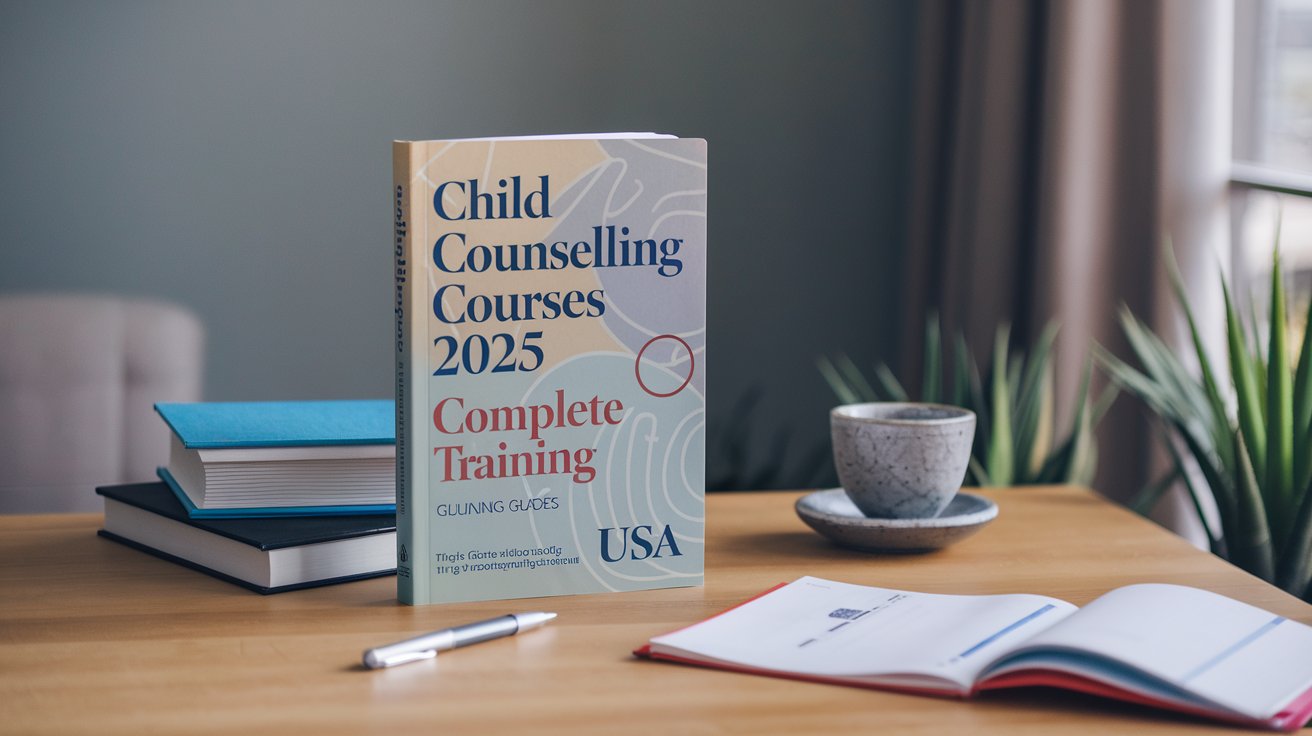
Child Counselling Courses 2025: Complete Training Guide USA
Child counselling courses provide essential training for professionals seeking to support young people’s mental health and emotional development. These specialized programs combine theoretical knowledge with practical skills, preparing counselors to address childhood trauma, behavioral issues, and developmental challenges. With increasing demand for qualified child therapists across the United States, child counselling courses offer a pathway to a rewarding career in child psychology and therapeutic intervention.
How to Become a Child Counselor in 2025
Becoming a child counselor requires completing specific educational requirements and obtaining proper licensure. The typical pathway begins with earning a bachelor’s degree in psychology, social work, or a related field, followed by a master’s degree in counseling or child psychology. Most states require 2-4 years of supervised clinical experience before obtaining full licensure. The process involves completing child counselling courses that focus on developmental psychology, family systems, and evidence-based therapeutic interventions.
Professional counselors must also complete continuing education requirements to maintain their licenses. The journey typically takes 6-8 years from initial education to full professional practice. Many professionals choose to specialize further through additional child counselling courses focusing on specific areas such as trauma therapy, autism spectrum disorders, or adolescent substance abuse treatment.
Educational Requirements and Prerequisites
Entry-level prerequisites for child counselling courses typically include a bachelor’s degree with coursework in psychology, human development, or social sciences. Most graduate programs require a minimum GPA of 3.0, GRE scores, letters of recommendation, and relevant volunteer or work experience with children. Some programs may require completion of specific undergraduate courses in statistics, abnormal psychology, and developmental psychology before admission.
Licensing and Certification Process
After completing child counselling courses and earning a master’s degree, graduates must obtain state licensure. This process involves passing the National Counselor Examination (NCE) or a state-specific exam, completing supervised clinical hours, and submitting documentation of educational requirements. The licensing process varies by state but typically takes 2-3 years post-graduation to complete all requirements.
Types of Child Counselling Courses Available
The landscape of child counselling courses offers diverse options to meet different career goals and learning preferences. Academic institutions, professional organizations, and online platforms provide comprehensive training programs ranging from certificate courses to doctoral degrees. These programs are designed to address various specializations within child mental health, including play therapy, family counseling, and trauma-informed care.
Professional development courses allow practicing counselors to enhance their skills and meet continuing education requirements. Many child counselling courses now incorporate telehealth training, reflecting the growing demand for virtual therapy services following the COVID-19 pandemic.
Online Child Counselling Courses
Child counselling courses online have become increasingly popular, offering flexibility for working professionals and students with geographic limitations. These programs maintain rigorous academic standards while providing interactive learning experiences through virtual simulations, video conferencing, and digital case studies. Accredited online programs often include virtual practicum experiences and partnerships with local agencies for hands-on training.
In-Person and Hybrid Programs
Traditional in-person child counselling courses provide direct interaction with faculty and peers, hands-on training opportunities, and immediate feedback during role-playing exercises. Hybrid programs combine online coursework with in-person intensive weekends or summer sessions, offering the best of both learning modalities. These formats are particularly beneficial for courses requiring practical skills demonstration.
Specialized Certification Programs
Specialized certification programs focus on specific therapeutic approaches such as Child-Parent Psychotherapy, cognitive behavioral therapy for children, or expressive arts therapy. These intensive courses typically span several months and include supervised practice opportunities. Professional organizations like the Association for Play Therapy offer specialized certifications that enhance career prospects and earning potential.
BACP Accredited Child Counselling Courses
BACP accredited child counselling courses online provide internationally recognized credentials for child counselors. The British Association for Counselling and Psychotherapy (BACP) accreditation ensures courses meet rigorous standards for curriculum content, faculty qualifications, and student assessment. While primarily based in the UK, many US institutions offer BACP-accredited programs that are recognized globally, providing graduates with enhanced mobility in their careers.
These accredited programs typically require 450+ hours of study, including theoretical learning, skills development, and supervised practice. BACP accreditation also ensures that child counselling courses incorporate ethical guidelines, cultural competency training, and evidence-based practices essential for effective child therapy.
Cost Analysis of Child Counselling Training
The financial investment in child counselling courses varies significantly based on program type, institution, and duration. Master’s degree programs in counseling typically cost between $20,000 and $80,000, while certificate programs range from $1,500 to $10,000. Online programs often offer more affordable options, with some accredited courses available for under $5,000.
Additional costs include textbooks, assessment materials, supervision fees, and licensing examination fees. Many programs offer financial aid, scholarships, and payment plans to make child counselling courses more accessible. The return on investment is substantial, with child counselors earning median salaries of $50,000 to $85,000 annually depending on location and specialization.
Child-Parent Psychotherapy Training Cost
Child-Parent Psychotherapy training cost typically ranges from $2,000 to $6,000 for comprehensive certification programs. This specialized training includes intensive workshops, supervision requirements, and ongoing consultation. Many employers provide funding for CPP training due to its effectiveness in treating early childhood trauma and attachment disorders.
Free and Low-Cost Training Options
Free child counselling courses are available through various organizations, universities, and government agencies. These introductory courses provide basic knowledge but typically don’t offer professional certification. Community colleges often provide affordable continuing education courses, while professional associations offer discounted training for members seeking to enhance their skills in child therapy.
Difference Between Child Counselors and Child Therapists
The terms child counselor and child therapist are often used interchangeably, but subtle distinctions exist in their scope of practice and training requirements. Child counselors typically focus on guidance, support, and short-term problem-solving interventions. They often work in school settings, community centers, or private practice, addressing behavioral issues, academic concerns, and family conflicts.
Child therapists generally have more extensive clinical training and may provide long-term psychotherapy for serious mental health conditions. They are qualified to diagnose mental health disorders and implement comprehensive treatment plans. Both professionals complete child counselling courses, but therapists typically require additional supervised clinical hours and specialized training in psychological assessment and diagnosis.
How Child Counselling Works in Practice
Child counselling operates through developmentally appropriate therapeutic approaches that consider cognitive, emotional, and social developmental stages. Sessions typically incorporate play therapy, art therapy, or talk therapy depending on the child’s age and presenting concerns. Child counselling addresses issues such as anxiety, depression, trauma, grief, family conflicts, and behavioral problems through evidence-based interventions.
The therapeutic process involves building rapport with the child and family, conducting comprehensive assessments, developing treatment goals, and implementing appropriate interventions. Sessions may include individual work with the child, family therapy, or parent coaching. Progress is monitored through standardized assessments and behavioral observations, with treatment plans adjusted as needed to achieve optimal outcomes.
Assessment and Treatment Planning
Effective child counselling begins with thorough assessment procedures that evaluate the child’s developmental history, current functioning, and environmental factors. Child counselling courses teach professionals to use standardized assessment tools, clinical interviews, and behavioral observations to develop comprehensive treatment plans that address the child’s unique needs and family circumstances.
Evidence-Based Interventions
Modern child counselling emphasizes evidence-based practices such as Cognitive Behavioral Therapy (CBT), Trauma-Focused CBT, Parent-Child Interaction Therapy, and play therapy approaches. These interventions have demonstrated effectiveness through research studies and are taught extensively in accredited child counselling courses. Therapists select interventions based on the child’s age, presenting problems, and cultural background.
Career Opportunities and Job Market
The job market for professionals with child counselling courses training is expanding rapidly, driven by increased awareness of children’s mental health needs and reduced stigma around seeking therapy. The Bureau of Labor Statistics projects 22% growth in counseling positions through 2030, significantly faster than average for all occupations. This growth creates excellent opportunities for qualified child counselors across various settings.
Career paths include private practice, community mental health centers, schools, hospitals, residential treatment facilities, and government agencies. Specialized training through advanced child counselling courses can lead to higher-paying positions and leadership roles in program development and clinical supervision.
Related video about child counselling courses
This video complements the article information with a practical visual demonstration.
Most asked questions about child counselling courses
How long do child counselling courses typically take to complete?
Child counselling courses vary in duration depending on the program type. Certificate programs typically take 6-18 months, while master’s degree programs require 2-3 years of full-time study. Specialized training courses may range from intensive weekend workshops to year-long certification programs. Online programs often offer flexible scheduling that allows students to complete coursework at their own pace.
Can I practice child counselling without completing formal courses?
No, professional child counselling requires completion of accredited child counselling courses and state licensure. While some volunteer positions may not require formal training, practicing as a licensed counselor mandates specific educational requirements, supervised clinical experience, and passing licensing examinations. Unlicensed practice is illegal and potentially harmful to clients.
Are online child counselling courses as effective as in-person programs?
Accredited online child counselling courses maintain the same academic rigor and learning outcomes as traditional programs. They incorporate interactive elements, virtual simulations, and supervised practice opportunities. However, students must complete in-person practicum requirements at approved sites. Online programs offer flexibility but require strong self-motivation and time management skills.
What is the average salary for child counselors in the United States?
Child counselors in the United States earn median annual salaries ranging from $45,000 to $85,000, depending on education level, experience, location, and work setting. Those with specialized training through advanced child counselling courses and private practice typically earn higher salaries. Urban areas and states with higher costs of living generally offer higher compensation packages.
Do child counselling courses prepare graduates for different age groups?
Yes, comprehensive child counselling courses cover development across age ranges from early childhood through adolescence. Programs typically include specialized training for different developmental stages, including infant mental health, preschool therapy techniques, school-age interventions, and adolescent counselling approaches. Some courses offer specialized tracks for specific age groups or populations.
How often must child counselors complete continuing education courses?
Most states require child counselors to complete 20-40 hours of continuing education every 2-3 years to maintain their licenses. These requirements ensure professionals stay current with best practices, ethical standards, and emerging research. Many counselors exceed minimum requirements by attending specialized child counselling courses to enhance their skills and advance their careers.
| Program Type | Duration & Cost | Key Benefits |
|---|---|---|
| Master’s Degree Programs | 2-3 years, $20,000-$80,000 | Full licensure eligibility, comprehensive training |
| Certificate Programs | 6-18 months, $1,500-$10,000 | Specialized skills, continuing education |
| Online Courses | Flexible, typically lower cost | Convenience, accessibility, self-paced learning |
| BACP Accredited | 450+ hours study | International recognition, quality assurance |