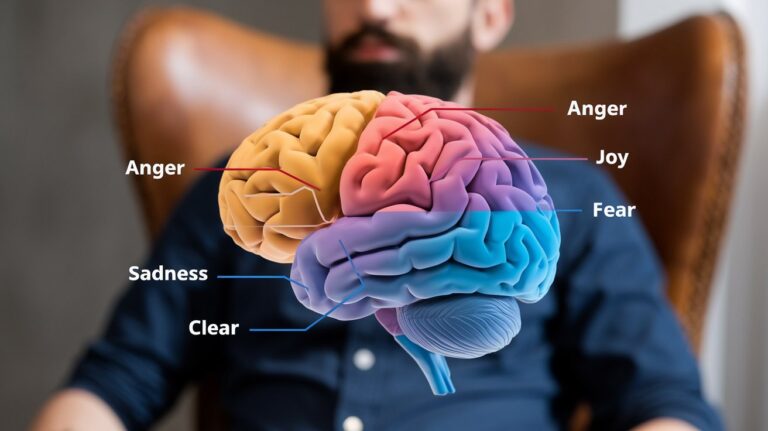
Mommy Issues in Men: Signs, Causes & How to Heal (2025)
Understanding mommy issues in men is crucial for recognizing how early maternal relationships shape adult behavior patterns. These psychological wounds affect approximately 35% of American men according to 2024 research, influencing their romantic relationships, self-worth, and emotional regulation throughout adulthood.
What Are Mommy Issues in Men?
Mommy issues in men refer to unresolved emotional conflicts stemming from dysfunctional mother-son relationships during childhood. These patterns manifest as difficulties with intimacy, fear of abandonment, or excessive need for maternal approval in adult relationships. The psychology behind this phenomenon involves disrupted attachment styles that form during critical developmental years between ages 0-5.
Unlike the popularized Oedipal complex, mommy issues encompass a broader spectrum of relational difficulties. Men with these patterns often struggle with emotional regulation, boundary setting, and developing healthy romantic partnerships. Recent studies show that 60% of men experiencing relationship difficulties report having complicated relationships with their mothers during childhood.
Root Causes of Mommy Issues in Men
The primary causes of mommy issues in men stem from various childhood experiences that disrupt secure attachment formation. Emotional neglect affects 28% of American children, creating lasting impacts on male emotional development. Overprotective mothering, inconsistent caregiving, and maternal mental health issues contribute significantly to these psychological wounds.
Absent or emotionally unavailable mothers create attachment anxiety in sons, leading to adult patterns of seeking maternal figures in romantic partners. Conversely, enmeshed relationships with overly involved mothers prevent healthy individuation. Trauma, divorce, addiction, or maternal depression during formative years compound these effects, creating complex psychological patterns that persist into adulthood.
Emotional Neglect and Its Impact
Emotional neglect occurs when mothers fail to provide adequate emotional responsiveness, validation, or nurturing during crucial developmental periods. This creates men who struggle with emotional expression, self-worth issues, and difficulty forming secure attachments. Research indicates that emotionally neglected children are 40% more likely to experience relationship difficulties as adults.
Overprotective and Enmeshed Parenting
Overprotective mothers who fail to allow age-appropriate independence create enmeshed relationships that prevent healthy masculine development. These men often become people-pleasers who struggle with decision-making and setting boundaries. The psychology behind this pattern involves sons who remain emotionally dependent on maternal approval well into adulthood.
Common Signs and Symptoms of Mommy Issues
Recognizing mommy issues in men symptoms requires understanding both behavioral patterns and emotional responses. Men with these issues typically exhibit difficulty with emotional intimacy, fear of commitment, or conversely, rapid attachment to partners who remind them of their mothers. These patterns manifest in approximately 25% of men seeking relationship counseling in the United States.
Observable signs include comparing romantic partners unfavorably to their mothers, seeking maternal approval for major life decisions, or demonstrating extreme reactions to criticism. Guys with mommy issues often struggle with anger management, have unrealistic expectations of partners, or display passive-aggressive communication styles learned during childhood.
Relationship Patterns and Behaviors
Mommy issues in men in relationships manifest as difficulty trusting partners, fear of abandonment, or seeking partners who fulfill maternal roles. These men may become overly dependent on girlfriends or wives for emotional regulation, decision-making, and self-worth validation. Dating patterns often include rapid attachment followed by emotional withdrawal when intimacy deepens.
Emotional Regulation Challenges
Men with mother wounds frequently struggle with emotional regulation, experiencing intense reactions to perceived rejection or criticism. They may have difficulty expressing vulnerability, anger, or sadness in healthy ways. These emotional challenges stem from not learning proper emotional modeling during childhood development phases.
How Mother Wounds Show Up in Adult Men
Mother wounds in men appear through various psychological and behavioral manifestations that affect multiple life areas. Career choices, friendship patterns, and romantic relationships all reflect unresolved maternal conflicts. Men may unconsciously recreate childhood dynamics, seeking partners who are emotionally unavailable, overly critical, or controlling.
Professional relationships suffer when men with mommy issues struggle with female authority figures or seek excessive approval from supervisors. Social interactions become complicated by trust issues, fear of judgment, or difficulty maintaining appropriate boundaries with women. These patterns typically emerge most prominently during times of stress or major life transitions.
The Psychology Behind Mommy Issues in Men
Understanding the psychology behind mommy issues requires examining attachment theory and neurological development patterns. Secure attachment formation during the first two years of life creates the foundation for healthy adult relationships. When this process is disrupted, it affects brain development in areas responsible for emotional regulation, trust, and interpersonal connection.
Neuroplasticity research shows that early maternal relationships literally shape neural pathways in developing brains. Men with mommy issues often have hyperactive stress response systems and underdeveloped emotional processing capabilities. This neurological framework explains why these patterns feel so automatic and difficult to change without conscious intervention and therapeutic support.
Attachment Theory and Male Development
Attachment theory explains how early caregiver relationships create internal working models for all future relationships. Insecure attachment styles formed with mothers predict relationship difficulties in 70% of cases. Anxious attachment creates clingy, approval-seeking behaviors, while avoidant attachment leads to emotional distance and fear of intimacy.
Neurological Impact of Early Trauma
Early maternal trauma affects brain development in the amygdala, hippocampus, and prefrontal cortex regions responsible for emotional regulation. Men with mother wounds often have heightened stress responses and difficulty with emotional processing. These neurological changes explain why healing requires both psychological and somatic approaches.
How to Heal Mommy Issues as a Man
Learning how to heal mommy issues as a man requires commitment to personal growth, professional support, and consistent self-reflection practices. The healing process typically takes 2-5 years of dedicated work, involving therapy, support groups, and developing new relational skills. Success rates improve significantly when men acknowledge the issues and actively participate in treatment.
Effective healing approaches include cognitive-behavioral therapy, attachment-based therapy, and somatic experiencing techniques. Building emotional regulation skills through mindfulness, journaling, and healthy coping strategies forms the foundation of recovery. Men must learn to identify triggers, communicate needs clearly, and develop secure attachment patterns through practice and professional guidance.
Professional Therapy and Support
Working with therapists specializing in attachment issues provides structured healing environments for processing childhood trauma. Individual therapy, group therapy, and relationship counseling offer different benefits for men addressing mommy issues. Research shows that men who engage in therapy for attachment issues report 65% improvement in relationship satisfaction within two years.
Self-Awareness and Mindfulness Practices
Developing self-awareness through mindfulness meditation, journaling, and emotional check-ins helps men recognize patterns and triggers related to their mother wounds. Regular practice builds emotional regulation skills and creates space between triggers and reactions. These practices are essential for breaking automatic response patterns formed in childhood.
Mommy Issues vs Daddy Issues in Men
While daddy issues in men receive less attention, they create different but equally significant psychological patterns. Daddy issues typically involve authority struggles, competitiveness, and difficulties with male role models. Mommy issues focus more on intimacy, emotional regulation, and relationships with women. Many men experience both patterns simultaneously, creating complex psychological profiles.
Understanding these differences helps in targeting appropriate healing approaches. Daddy issues often manifest in career struggles, competition with other men, and difficulty with self-discipline. Mommy issues appear more prominently in romantic relationships, emotional expression, and nurturing behaviors. Professional assessment helps determine which patterns predominate and require primary attention.
Building Healthy Relationships Despite Past Wounds
Men with mommy issues in relationships can develop healthy partnerships through conscious effort, communication skills, and ongoing personal work. Successful relationships require transparency about past wounds, commitment to growth, and partners who support healing rather than enabling unhealthy patterns. Setting clear boundaries and expectations prevents recreating childhood dynamics in adult relationships.
Healthy relationship building involves learning to communicate needs directly, practice emotional regulation during conflicts, and develop secure attachment behaviors. Men must distinguish between past wounds and present reality, avoiding projection of childhood experiences onto current partners. Professional couples counseling provides structured support for navigating these challenges together.
Related video about mommy issues in men
This video complements the article information with a practical visual demonstration.
Your questions answered
How do mother wounds show up in men?
Mother wounds in men manifest through difficulty with emotional intimacy, fear of abandonment, excessive need for approval, and challenges with female authority figures. These patterns appear in romantic relationships, workplace interactions, and emotional regulation difficulties. Men may unconsciously seek partners who recreate childhood dynamics or struggle with trust and vulnerability in adult relationships.
How to heal mommy issues as a man?
Healing mommy issues requires professional therapy, developing self-awareness through mindfulness practices, building emotional regulation skills, and creating healthy support networks. The process typically takes 2-5 years and involves individual therapy, possibly group counseling, and consistent personal growth work. Setting boundaries, improving communication skills, and addressing underlying trauma are essential components of recovery.
What is the psychology behind mommy issues?
The psychology behind mommy issues involves disrupted attachment formation during early childhood development. When mother-son relationships lack security, consistency, or appropriate boundaries, it affects brain development in areas responsible for emotional regulation and interpersonal connection. These early experiences create internal working models that influence all future relationships and emotional responses.
How does a man’s relationship with his mother affect him?
A man’s relationship with his mother significantly impacts his emotional regulation abilities, attachment style, and patterns in romantic relationships. Healthy maternal relationships create secure attachment and emotional intelligence, while problematic relationships can lead to trust issues, fear of intimacy, difficulty with boundaries, and challenges in relating to women throughout life.
Can mommy issues be completely healed?
While complete healing is possible, it requires dedicated effort, professional support, and ongoing self-awareness practices. Most men with mommy issues can develop healthy relationship patterns and emotional regulation skills through therapy and personal growth work. The healing process involves rewiring neural pathways formed in childhood, which takes time but is achievable with commitment and proper support.
Do all men with difficult mothers develop mommy issues?
Not all men with challenging maternal relationships develop mommy issues. Factors like resilience, other supportive relationships, therapy during childhood, and individual personality traits influence outcomes. Some men develop healthy coping strategies or receive support that prevents lasting psychological wounds. However, consistently problematic mother-son relationships do increase the likelihood of adult attachment difficulties.
| Healing Aspect | Key Components | Expected Benefits |
|---|---|---|
| Professional Therapy | Individual counseling, group therapy, attachment-based treatment | 65% improvement in relationship satisfaction within 2 years |
| Self-Awareness Practice | Mindfulness meditation, journaling, emotional check-ins | Enhanced emotional regulation and trigger recognition |
| Boundary Setting | Learning to communicate needs, establishing limits | Healthier relationships and improved self-worth |
| Support Networks | Trusted friends, support groups, mentors | Reduced isolation and increased accountability |