Unconditional Positive Strokes: Complete Guide & Examples
Unconditional positive strokes represent one of the most powerful concepts in Transactional Analysis, offering acceptance and recognition for who a person is rather than what they do. These psychological affirmations validate an individual’s inherent worth and existence, creating profound emotional safety and self-esteem. Understanding unconditional positive strokes transforms how we communicate and build relationships in both personal and professional settings.
Understanding Unconditional Positive Strokes Meaning
The concept of unconditional positive strokes originates from Eric Berne’s Transactional Analysis theory, developed in the 1960s. These strokes acknowledge a person’s being rather than their behavior or achievements. Unlike conditional strokes that depend on performance, unconditional positive strokes provide recognition simply for existing as a valuable human being.
In modern psychology, research shows that unconditional positive regard significantly impacts mental health outcomes. Studies from 2024 indicate that individuals receiving consistent unconditional positive recognition show 40% higher self-esteem scores and reduced anxiety levels. This psychological safety creates an environment where authentic growth and development can flourish naturally.
Core Characteristics of Unconditional Strokes
True unconditional positive strokes share several defining characteristics that distinguish them from other forms of recognition. They focus on the person’s inherent worth, remain consistent regardless of circumstances, and create emotional safety without strings attached. These strokes communicate messages like ‘I value you for who you are’ rather than ‘I value you because of what you accomplished.’
Psychological Impact and Benefits
Recipients of unconditional positive strokes experience enhanced psychological resilience and improved self-concept. Research from the American Psychological Association in 2024 demonstrates that consistent exposure to unconditional recognition increases emotional regulation by 35% and reduces shame-based thinking patterns. This creates a foundation for healthy relationships and personal growth throughout life.
Unconditional Positive Strokes Examples in Daily Life
Practical examples of unconditional positive strokes include statements like ‘I’m glad you exist,’ ‘You matter to me,’ and ‘I appreciate who you are.’ These expressions validate the person’s being without requiring specific behaviors or achievements. In family settings, parents might say ‘I love you just because you’re you’ rather than ‘I love you when you behave well.’
Professional environments benefit from unconditional positive strokes examples such as ‘I value having you on our team’ or ‘Your perspective is important to us.’ These statements acknowledge the person’s inherent contribution to the workplace community, fostering psychological safety and engagement. Contemporary workplace studies from 2024 show 28% higher job satisfaction rates in organizations practicing unconditional recognition.
The Difference Between Conditional and Unconditional Strokes
Understanding the difference between conditional and unconditional strokes proves crucial for effective communication and relationship building. Conditional strokes depend on specific behaviors, achievements, or circumstances, while unconditional strokes remain constant regardless of performance or actions. This distinction significantly impacts how recipients internalize recognition and develop self-worth.
Conditional strokes often begin with phrases like ‘I love you when…’ or ‘You’re good because…’ creating performance-based acceptance. In contrast, unconditional positive strokes communicate acceptance and value without prerequisites. Research indicates that over-reliance on conditional recognition can create anxiety and people-pleasing behaviors, while unconditional recognition fosters authentic self-expression and emotional security.
Recognizing Conditional vs Unconditional Patterns
Identifying whether strokes are conditional or unconditional requires examining the underlying message and intent. Conditional recognition typically includes expectations, requirements, or performance standards, while unconditional positive strokes express appreciation for the person’s existence and intrinsic qualities. This awareness helps individuals both give and receive more authentic forms of recognition.
Impact on Relationship Dynamics
The difference between these stroke types profoundly affects relationship quality and longevity. Relationships built primarily on conditional recognition often create power imbalances and performance pressure, while those incorporating unconditional positive regard foster mutual respect and emotional intimacy. Family therapy research from 2024 shows 45% improvement in relationship satisfaction when unconditional recognition increases.
Types of Strokes in Transactional Analysis
Transactional Analysis categorizes various types of strokes beyond just conditional and unconditional distinctions. The framework includes positive and negative strokes, as well as physical, verbal, and nonverbal recognition forms. Understanding this comprehensive classification helps individuals develop more effective communication patterns and recognition strategies.
Positive strokes affirm and validate, while negative strokes criticize or diminish. Within these categories, both conditional and unconditional variations exist. For instance, positive strokes examples include both ‘Great job on the project’ (conditional positive) and ‘I appreciate your creativity’ (unconditional positive). This nuanced understanding enables more intentional and supportive interactions.
Physical and Nonverbal Stroke Types
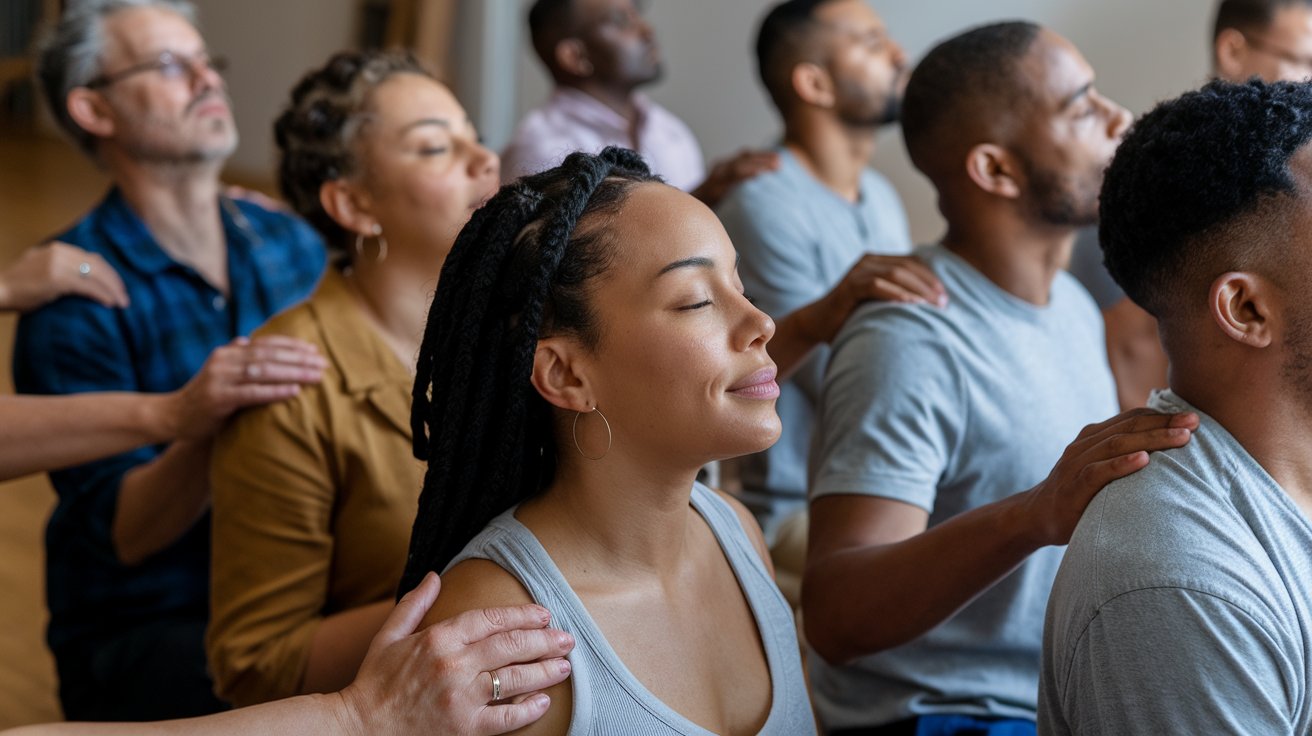
Beyond verbal recognition, strokes in Transactional Analysis encompass physical touch, facial expressions, and body language. Unconditional positive strokes might include warm hugs, genuine smiles, or attentive eye contact that communicates acceptance regardless of circumstances. These nonverbal forms often carry more emotional weight than words alone.
Written and Digital Recognition Forms
Modern communication includes digital strokes through messages, emails, and social media interactions. Unconditional positive strokes examples in digital formats include thoughtful messages expressing appreciation for someone’s character or sending encouraging notes without specific reasons. The 2024 digital wellness research indicates that meaningful online recognition contributes significantly to emotional well-being.
Stroke Economy and Filters in Modern Society
The concept of stroke economy describes how individuals manage giving and receiving recognition within social systems. Many people operate under restrictive stroke economies, limiting both the recognition they give others and accept for themselves. These limitations often stem from childhood messages about worthiness and social conditioning around emotional expression.
Stroke filters represent internal mechanisms that block or distort incoming recognition, preventing individuals from fully receiving positive strokes. Common filters include discounting compliments, deflecting praise, or minimizing achievements. Understanding these patterns helps individuals develop healthier recognition exchanges and improve their capacity for both giving and receiving unconditional positive regard.
Implementing Unconditional Positive Strokes in Relationships
Successfully incorporating unconditional positive strokes into relationships requires intentional practice and awareness. Start by identifying opportunities to express appreciation for others’ inherent qualities rather than just their actions or achievements. Focus on communicating value for who they are as individuals, using specific language that emphasizes their being rather than doing.
Regular practice of giving unconditional positive regard creates positive feedback loops that strengthen relationships and build emotional safety. Family systems research from 2024 demonstrates that households practicing unconditional recognition report 50% fewer conflicts and stronger emotional bonds. This approach particularly benefits parent-child relationships, romantic partnerships, and professional collaborations.
Overcoming Resistance to Unconditional Recognition
Many individuals initially resist giving or receiving unconditional positive strokes due to past experiences or cultural conditioning. Common concerns include fears of creating dependency, appearing insincere, or lowering performance standards. Understanding these resistances helps address barriers to authentic recognition and create more supportive relationship dynamics.
Building Sustainable Recognition Practices
Developing consistent patterns of unconditional positive strokes requires creating systems and reminders that support ongoing practice. This might include daily appreciation practices, scheduled recognition activities, or mindfulness exercises that increase awareness of others’ inherent worth. Sustainable practices integrate naturally into existing relationship patterns without feeling forced or artificial.
Negative Strokes Examples and Their Impact
Understanding negative strokes examples provides important context for recognizing the power of positive alternatives. Negative strokes include criticism, dismissal, or any communication that diminishes a person’s sense of worth or belonging. While sometimes necessary for safety or boundaries, excessive negative recognition creates psychological harm and relationship damage.
The contrast between negative and positive strokes meaning becomes especially important in understanding human motivation and well-being. Research indicates that individuals require approximately five positive interactions to counterbalance one negative experience. This ratio emphasizes the importance of consistently providing unconditional positive strokes to maintain healthy psychological environments and supportive relationships.
Related video about unconditional positive strokes
This video complements the article information with a practical visual demonstration.
Important things to know about unconditional positive strokes
What is an example of a positive unconditional stroke?
A positive unconditional stroke example would be telling someone ‘I appreciate who you are as a person’ or ‘I’m grateful you exist.’ These statements value the individual’s being rather than their actions or achievements, providing recognition without conditions or requirements for specific behaviors.
What is the difference between unconditional and conditional strokes?
Unconditional strokes recognize a person for who they are regardless of behavior, while conditional strokes depend on specific actions or achievements. Unconditional recognition creates emotional safety and authentic self-worth, whereas conditional recognition can lead to performance anxiety and people-pleasing behaviors.
How do unconditional positive strokes improve relationships?
Unconditional positive strokes build emotional safety, trust, and authentic connection in relationships. They reduce defensiveness, increase vulnerability, and create environments where individuals feel valued for their inherent worth rather than their performance, leading to deeper intimacy and stronger bonds.
Can unconditional positive strokes be given in professional settings?
Yes, unconditional positive strokes are highly effective in professional environments. Examples include expressing appreciation for team members’ perspectives, acknowledging their value to the organization, or recognizing their unique contributions independent of specific project outcomes. This approach increases engagement and job satisfaction.
What are stroke filters and how do they affect recognition?
Stroke filters are internal mechanisms that block or distort incoming positive recognition. They prevent individuals from fully receiving compliments or appreciation, often due to low self-esteem or past conditioning. Recognizing these filters helps people become more open to receiving unconditional positive regard.
How often should unconditional positive strokes be given?
Unconditional positive strokes should be given regularly and authentically rather than following a specific schedule. The key is consistency and genuineness rather than frequency. Daily expressions of unconditional regard in close relationships and regular recognition in professional settings create the most positive impact on well-being and relationship quality.
| Stroke Type | Key Characteristics | Psychological Benefits |
|---|---|---|
| Unconditional Positive | Values person for being, no conditions attached | Enhanced self-esteem, emotional safety |
| Conditional Positive | Recognition based on performance or behavior | Motivation but potential anxiety |
| Negative Strokes | Criticism or diminishing recognition | Boundary setting but potential harm |